
Team Building with Recognition: The Bonusly Guide to Modern Workplace Culture in 2026
The success of every organization is not dependent on the overall processes and bottom line but on the overall strength of the teams. In the year 2026, the modern workplace has been revolutionized, with changes in the modern workplace resulting in a shift towards a more remote-working environment, changes in employee perceptions, and a struggle for talent. In this context, it has been recognized that one essential element that has marked a significant shift is that the teams that are recognized, valued, and appreciated tend to perform better than the ones that are not. This is where platforms such as Bonusly come into play.
Bonusly: Comprehending the Strength of Praise in Team Building
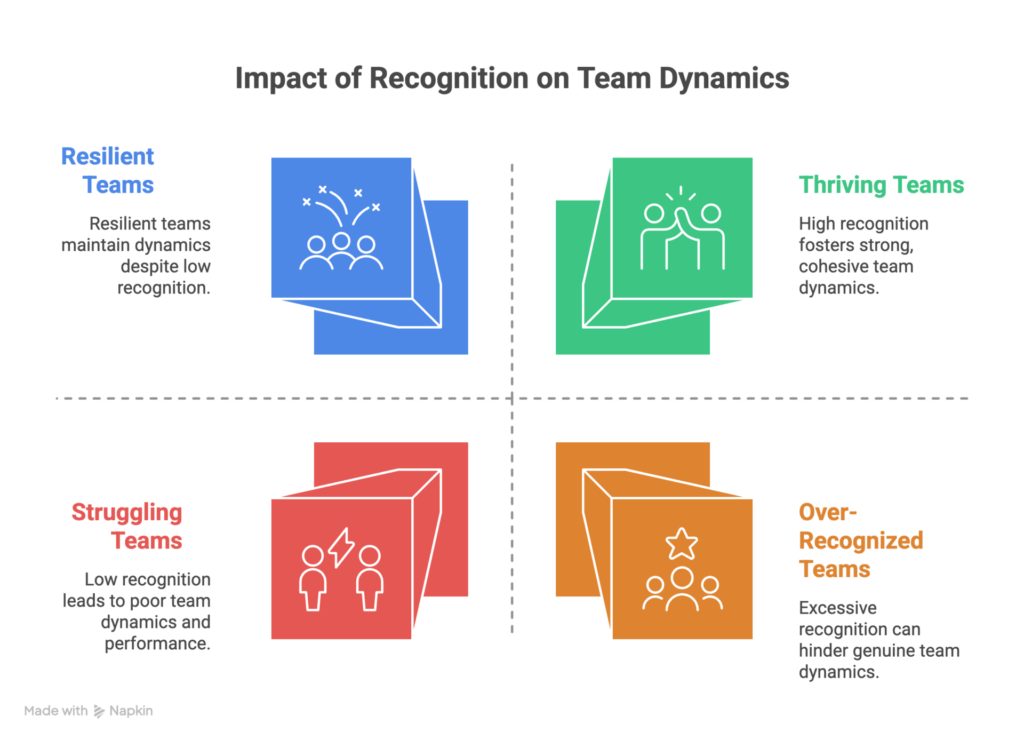
Prior to exploring methods and technologies, it is necessary to recognize the importance of recognition in team management. It is far from a “nice-to-have” activity that is best managed by the human resources department. Recognition has a pivotal role in team management, which has a direct effect on multiple factors that can be far-reaching.
The statistics are quite compelling. In fact, research indicates that 84% of employees feel motivated by the simple gesture of receiving recognition, which leads to exploring how things can be accomplished in a better way, and that employees are 18 times more likely to produce high-quality work when recognized. It is a fact that when employees feel recognized for the work that they do, they do not merely work hard but also work smart, together, and creatively.
Performance apart, acknowledgment has a quantifiable impact on teamwork. The difference that regular acknowledgment brings has a huge impact on connection and culture. The chance that someone is making a connection is improved 15x when breakthrough performance and going above the call of duty is a part of the daily norm. The chance that someone is making an above average connection with colleagues is improved 11x when teams celebrate birthdays and work anniversary dates.
The Business Case for Recognition Programs
Companies that are spending on good recognition practices are not basing decisions on sentiment; they are making an investment. Companies with strong recognition practices are seeing real results, such as 74% more likelihood of increased revenues in the past year, 7 times more likelihood of people doing great work, and 11 times less likelihood of having experienced a layoff.
Feedback can also affect retention, which is one of the biggest cost considerations for businesses. Regular feedback can increase an employee’s retention by 3.5 years, while people who feel appreciated are 5x more likely to remain with the organization. Above that, 53% of people claimed that they would remain with their workplace longer if they were shown more appreciation, while a staggering 79% of people who left a job stated that a lack of appreciation was the reason.
Such are the statistics that underline a basic truth: acknowledgment is not a luxury, a motivational tool, but a necessity in creating high-performing organizations.
How Bonusly Makes Recognition a Part of Your Everyday Routine
Although the importance of recognition has become apparent, it has been a challenge for most businesses to execute a proper recognition program. The usual annual reviews and occasional recognitions are simply not enough in today’s workplace environment. This is where a game-changer has appeared in the form of Bonusly.
Bonusly is an employee recognition tool that helps make a shift from event-based recognitions to becoming a daily habit. Unlike other employee recognition programs that are more of a gesture, Bonusly blends employee recognition with performance solutions that drive lasting behavior changes. The bonusly tool promise is crystal clear: make recognitions simpler, more frequent, and impactful for every employee.
Peer-to-Peer Recognition at Scale
Central to the Bonusly way is peer-to-peer recognition. The software gives coworkers the power to reward others for things they have accomplished, contributed, or embodied in terms of core values, with a bonus, known as “recognition,” that consists of a small number of points. Every employee is allocated points monthly that they can use to recognize coworkers, bosses, and direct reports.
This peer-to-peer approach is revolutionary because it democratizes recognition. Instead of people recognizing others from a top-down perspective, as when a supervisor is recognized, now every member of the team gets to be a recognizer. On average, Bonusly users receive five recognitions per month, which helps make the appreciation a part of the workflow. This is a huge aspect because annual recognitions cannot compare with monthly recognitions.
The Relationship Between Appreciation, Values, and Culture
Among the strongest trends that exist in employee recognition in 2026 is that acknowledgment is directly linked to organizational values. Employee recognition is more than giving thanks to someone for tasks that are already accomplished; it is to recognize behavior that reflects organizational values.
Bonusly takes a straight approach to this problem by giving employers the ability to design a recognition program with values in mind. The employee is recognized because of what organizational value has been exhibited, and this increases the reinforcement loop that helps to develop a desired organizational culture by making values tangible and mimicked behavior.
For instance, when your organizational values include innovation, recognizing a product launch success is not enough; what’s vital is that you recognize the creative thinking process put together by your team. This way, your approach to recognizing people’s behavior helps make your organizational culture an integral part of what people do.
“Automation That Keeps Culture Alive”
Effective team-building is best accomplished on a consistent basis, yet most businesses find it difficult to keep the momentum going when it comes to employee recognition. Bonusly is the solution with intelligent automation. The solution provides automated milestones such as onboarding, birthdays, and work anniversaries, which are significant to the employee but are commonly missed by the manager.
Such automated celebrations play a host of roles. Firstly, they make sure that the special moments are never forgotten, which gives the employee a sense of being cared for, not only as an employee, but as a human being too. Secondly, such automated celebrations provide a chance for employee appreciation by colleagues, which helps to improve employee teamwork.
Real-Time Insights and Data Management
It might be that one of the most useful things that a team leader can get from Bonusly is the analytics component. The tool offers AI-powered dashboards that identify quality, trends, and participation, making it easier for a leader to see how work gets done, as well as identify problems with team dynamics.
Such findings are extremely useful in fostering high-performing teams because they provide clarity on patterns. Managers are able to identify which team members are receiving recognition, which people are recognized in a particular team, where the natural flow of recognition is, and where potential silos are being developed.
In addition, managers are provided with valuable information on how teams are working together, as well as strengths and weaknesses, which is generated from Team Activity analytics. Such metrics assist managers in effectively managing both the culture and the outcome by ensuring that recognition is a strategic tool, rather than a feel-good activity.
Creating Effective Teams with Employee Recognition Programs
What helps to understand recognition, why it is important, and what Bonusly provides is merely the beginning. The way Bonusly should be used to develop high-performing teams is what is going to be described here.
- Foster Organic, Peer-Based Recognition
“Great teams are based on mutual respect, not organizational appreciation.” Strong teams are founded on mutual respect, not organizational appreciation. The best way to leverage Bonusly is to make recognizing your coworkers feel as normal as attending a meeting.
Develop guidelines on what constitutes worthy contributions that need to be recognized, extending past completed projects to collaboration, mentorship, problem-solving, alignment with company values, and so on. Observing that coworkers are recognizing each other within a team encourages peers to take part in recognizing others, thus creating a self-sustaining system where recognizing people is not left to the consideration of the managers.
- Behaviour’s, Not Outcomes, Are What
To move the recognition from a transactional type to a transformational type, it is necessary to have a focus on the behavior and values that are being recognized. This means that, rather than recognizing the success of a project, it is necessary to recognize the teamwork, innovation, hard work, or integrity that led to the success.
With Bonusly, use personalized categories of recognition that are linked to your organizational values. Teach your managers and your employees how to discuss not only what has been accomplished but how that fits into your organizational values. This helps develop a value-based organizational culture that focuses on values that are not merely theoretical notions locked inside the employee handbook but are enacted every single day.
- Encourage Frequent Timely Feedback/Recognition
“One of the most common pitfalls of recognizing is making it a rarity, a ‘treat’ that happens weeks/months after the event. This dilutes the impact of the recognition,” because recognition that happens weeks/months after the event has happened has diminished value. To avoid this, take advantage of the usability of Bonusly to make it happen now, often.
Encourage managers and team members to recognize someone’s efforts in real-time, whether it is a problem solved brilliantly, teamwork that is exceptionally high, or an instance of bravery. Regular recognition helps keep the motivational level high, with Bonusly users recognizing people an average of five times a month.
- Recognize Team Successes & Individual Achievements
Although peer recognition is very influential, it is even more important that a leader make visibility a priority when it comes to recognition. It is necessary to take advantage of team meetings as a way to publicly recognize people for their contributions. The fact that Bonusly is now available on Slack and Microsoft Teams means that recognition messages can reach a wide range of people.
Public acknowledgment in a team setting is even more potent because, at once, it recognizes the individual, as well as provides a glimpse into what excellence should look like for the entire team. This helps because, when it is genuine, it not only inspires the recognized employee but also encourages others to follow his footsteps.
- Use Recognition to Build Trust and Psychological Safety
Effective teams have trust as a cornerstone.Recognition is one of the most potent means of engendering trust. Efforts, as well as accomplishments, recognized by the leader, as well as the team members, foster the sense of psychological safety that one can take risks and share ideas with a minimum chance of being embarrassed or punished.
The peer-to-peer component of Bonusly is especially useful in this regard because it recognizes people across the hierarchy. This is especially useful because when people recognize that anyone on the team has the ability to recognize them, it removes hierarchy from the equation, putting the message that everyone’s contributions are important.
- Integration of Recognition with Development & Growth
Effective recognition should not exist in a vacuum but as a part of the performance management process. The most effective way for a recognition program is when acknowledgment serves as a springboard for a conversation for growth. For instance, when recognizing an employee, a discussion regarding how to leverage strengths should be included.
Bonusly helps make this easy by giving managers visibility into what people are contributing. This informs what happens during 1:1s, making sure that the recognition is used as a springboard for development.
Real-World Impact: How Recognition Transforms Teams
The effects of structured recognition programs go beyond employee motivation. This is because organizations that employ effective recognition systems realize improved organizational team behavior.
Regular instances of recognition within a team raise the chance of a strong community by 508 percent. This is a significant indication of how recognition changes the manner in which people interact within a team. Teams are no longer a set of people who work together; rather, a sense of community is formed on the basic premise of appreciation.
Recognition programs are also known to tackle one of the most serious concerns in an organizational setting, which is retention. It is a proven fact that when organizations make their employees feel valued, the rate of employee turn-over is reduced. An employee feels that his/her hard work is recognized when he/she is part of a community that values him/her, which in turn helps him/her stay longer with the association.
The 2026 Evolution of Recognition: What’s Next
Moving deeper into the year 2026, employee recognition is changing. Here are a few of the latest trends that are making organizations think differently about team-building methods involving employee recognition.
Values-Based And Purpose-Driven Recognition
The recognition revolution of 2026 highlights the importance of recognizing the strong link that exists between recognition, values, and purpose within organizations. This is because, in modern labor markets, employees are expecting to be recognized within the context of values, apart from contributing to significant work. This is because modern organizations are leveraging values such as collaboration, innovation, and success.
Personalization with AI Technology
Technology is making it possible to personalize on a historical level with the use of artificial intelligence. Additionally, the AI dashboards are capable of recognizing certain patterns that a particular set of recognitions might mean to different people, hence recognizing how such recognitions might need to be sensed. The AI that Bonusly has is very useful for making better decisions on organizational cultures.
Multi-Channel Recognition
Recognition is now not limited to emails and special gatherings. The latest platforms have recognition systems that are now a part of the tools that people use when they are working, such as Slack, Microsoft Teams, emails, amongst others. This makes it easier for people to recognize one another in a normal way.
Implementing Bonusly: Tips For Success
For maximizing the effects of recognition in developing a strong teamwork environment, follow these best practices for implementation.
Leadership’s Role in the Change Process
The recognition culture has to come from the top. The leadership has to use the tool, providing real recognition that fits with the values of a company. Seeing leaders recognize coworkers has a significant effect on others, giving people permission to recognize, which is a tool that spreads throughout a company. Effective Communication, Training Start your recognition program with a message that explains the reason for a recognition program, which is to develop a stronger team, not a means to hand out rewards. Give your employees training on how to provide actual commendations.
Gamification & Incentives “Recognition in itself is a motivator, but the points system that Bonusly uses is another layer of incentive,” explains Bonusly. The points earned from recognition can be used to claim a reward from a curated list, which gives a ‘tangibility’ element to the recognition process. The intention has to be on providing recognition, not attaining rewards. Regular Review and Evolution Reward programs need to change with your business. Analyze employee data on program participation, conduct employee surveys on the effectiveness of programs, or modify the categories of recognition to keep things fresh.
Conclusion:
The Necessity of Recognition as a Team-B The ideal teams for 2026 are going to need more than stated objectives with optimized processes. They are going to need workplaces that emphasize the power of connections, the power of acknowledgment, and the power of valuing every employee. It is not going to happen organically – it is going to take a system of structured appreciation. Bonusly has the technology infrastructure that supports this shift, but it is the application of that infrastructure that has real value. It is the application of peer-to-peer recognition, relevance via values, consistency via automation, and regularity via recogntiion that helps a company with a high-performance, highly engaged, highly dedicated team that is succeeding together.
In today’s competitive environment, in which people with skills are a valuable resource for organizations, making them feel recognized is not a nice-to-have activity but a strategic priority. Organizations that make employee recognition an integral part of the team-building process are going to end up with better teams, improved engagement, increased retention, and, at the end of the day, improved business outcomes. The answer is not whether to spend on employee recognition but how quickly organizations need to find a way to make employees feel recognized on a daily basis.






One Comment